Construction Safety in 2025: Trends, Statistics & Best Practices
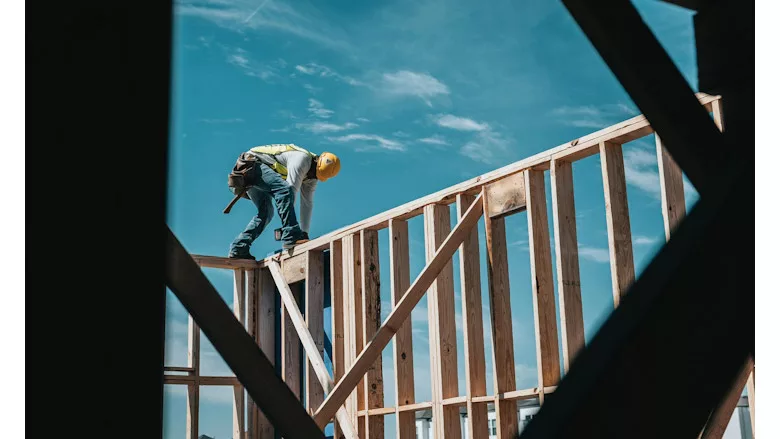
Credit: Joshua Olade / Unsplash
With almost 8.3 million workers, the construction sector in the US achieved a major milestone in January 2025, according to Statista. This is the highest employment level since the early 2000s. The best practices for identifying and mitigating hazards in construction environments are to ensure that worker safety and training programs adhere to the ANSI/ASSP A10.2-2025 standard. These training programs provide a range of instruction tailored for new hires, considering factors such as job site conditions, regulatory requirements, pre-job assessments, effective supervisor leadership, and the need for regular retraining.
Changing Requirements and Increasing Risks
Additionally, Construction Safety Week is scheduled to take place from May 5-9, 2025, in collaboration with OSHA. The purpose of this event is to raise awareness of construction safety by presenting a range of incident scenarios and providing advice on how to stay safe while working. This sector has a high accident and fatality rate, making it the most dangerous workplace in the United States. According to the BLS, there has been an increase in both fatal and non-fatal injuries on construction sites compared to 2023. In particular, roofers, laborers, helpers, carpenters, and maintenance workers experienced increased injuries. Falls, slips, and trips account for the highest number of casualties.
Approximately 20% of all worker fatalities occur among construction workers, despite their making up only 6% of the US labor force. In 2023, the industry reported 1,075 work-related deaths, the highest number since 2011. It is critical to comprehend how construction safety is evolving as we approach 2025, identify new trends, and put best practices into action in order to lower risks and safeguard employees. According to the important construction safety statistic, 1,075 construction-related deaths occurred in 2023, the most since 2011. More than one-third of construction site fatalities are caused by falls, which continue to be the most common cause of death.
OSHA's new rule emphasizes the importance of proper PPE (personal protective equipment) fitting on construction sites. By offering resources and best practices for workplace safety during Construction Safety Week, OSHA is actively raising awareness of safety issues, as was previously mentioned. Furthermore, specific rules about the required safety gear and apparel that must be worn on the job site have been established by ANSI and OSHA.
Construction Safety Essentials 2025
Proper PPE Fitting
OSHA's new rule highlights the importance of proper fit for PPE to provide maximum protection. This revision addresses concerns that standard-sized PPE may not accommodate diverse body types, which can compromise safety.
Construction Safety Week
The industry's dedication to safety is emphasized at this yearly event, which takes place from May 5–9 and offers a forum for exchanging resources and best practices. The 2025 theme, "All in Together," emphasizes how businesses and employees must work together to create a safe workplace.
Mental Health
The importance of mental health and well-being, in addition to physical safety, is becoming increasingly recognized in the construction industry. This entails helping staff members discuss their challenges and addressing depressive symptoms like decreased interest in activities, irritability, anger, irregular sleep patterns, and appetite changes.
Falls
In the construction industry, falls are a leading cause of injuries and fatalities. OSHA requires fall protection measures for work over six feet in height, and implementing safety nets and guardrails is a crucial step in minimizing fall risks. Also, wearing a hard hat is essential for such fatalities.
Construction Safety Week Resources
Organizations like Construction Safety Week, which offer resources and best practices to help businesses plan and execute their Safety Week events, further bolster the industry's commitment to safety.
By introducing state-of-the-art technologies and preventative measures and requiring the use of safety gear and apparel, the construction industry is showcasing its commitment to safety in 2025. Businesses can make workplaces safer and ultimately prevent injuries and fatalities by adopting best practices and keeping up with the latest trends.
Looking for a reprint of this article?
From high-res PDFs to custom plaques, order your copy today!